In today’s digital world, customer expectations have evolved beyond just browsing a website. They expect a tailored experience — one that speaks directly to their needs, behaviours, and preferences. This is where website personalization steps in as a game changer.
Whether you are running an e-commerce platform, SaaS site, or lead generation funnel, personalization can significantly impact your conversion rates.
What is Website Personalization?
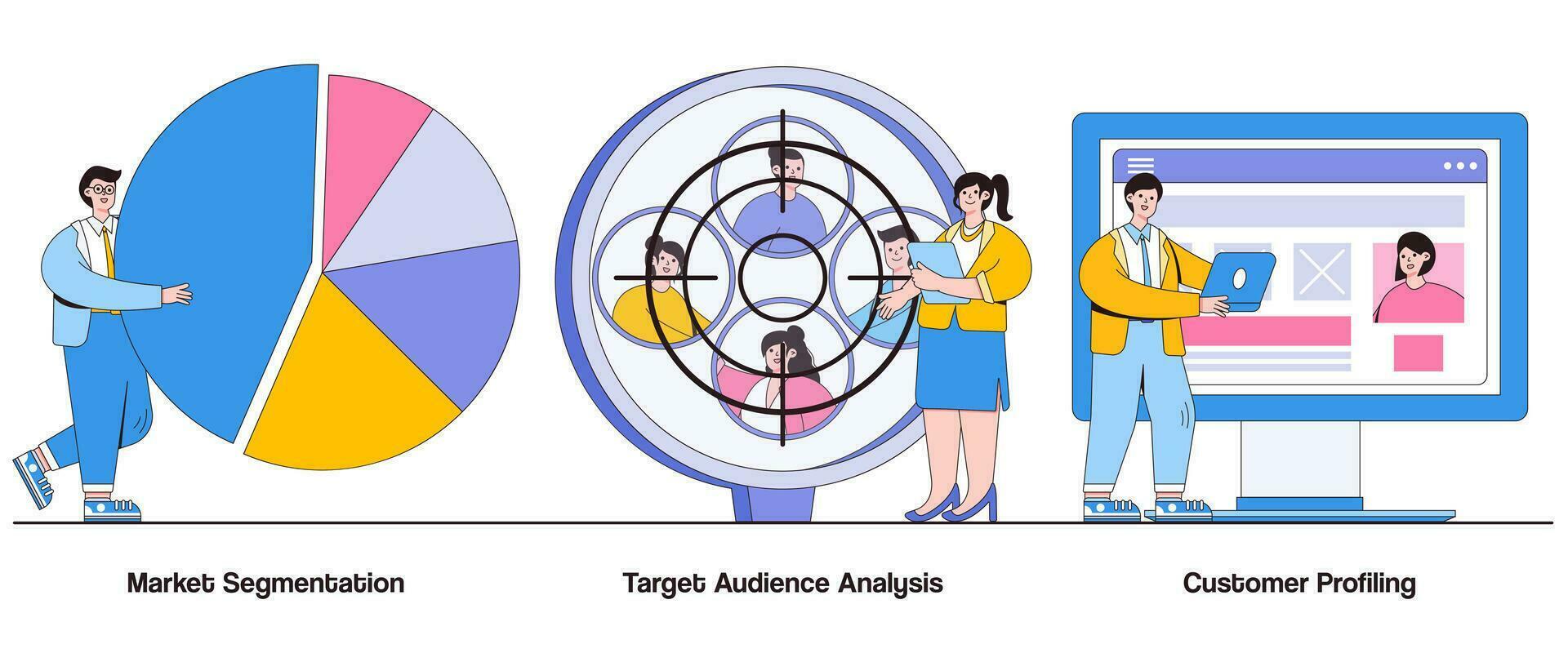
Website personalization is the process of creating a customized experience for visitors based on their behavior, demographics, location, interests, or past interactions. It could be as simple as showing a returning user their last viewed product or as complex as tailoring the entire homepage to fit a specific buyer persona.
Why Personalization Matters for Conversion
1. Increases User Engagement
Visitors are more likely to engage with content that is relevant to them. If a user lands on your site and immediately sees content or products that align with their needs, they are far more likely to stay, click, and convert.
Example:
A clothing retailer showing winter jackets to users from colder regions increases the likelihood of purchase.
2. Builds Trust and Connection
Personalization makes users feel seen and valued. When customers see content that resonates with their preferences or past behaviours, it builds a sense of trust — a crucial factor in online conversions.
Example:
Displaying personalized testimonials or reviews from similar users can influence decision-making and build credibility.
3. Reduces Bounce Rates
A generic homepage may not speak to everyone. Personalization ensures that users find what they’re looking for faster, reducing the chance of bouncing off the site.
Example:
An educational site that shows different course suggestions to students based on their previously browsed subjects can keep them on-site longer.
4. Enhances the Buyer Journey
Personalization helps guide users through the sales funnel more smoothly. By presenting relevant CTAs, offers, or content at the right time, you reduce friction and increase conversions.
Example:
For a SaaS site, showing a “Schedule a Demo” CTA to a returning visitor (instead of a “Learn More”) aligns better with their journey stage.
5. Boosts ROI on Marketing Campaigns
When traffic lands on a personalized page that matches the ad or email content they clicked, the user experience becomes seamless and more effective. This alignment can drastically improve conversion rates.
Example:
A dynamic landing page that adapts based on the user’s UTM source or ad campaign can help ensure message match and higher conversions.
6. Drives Repeat Visits and Loyalty
A personalized experience makes users more likely to return. Loyalty increases when users know the site “remembers” them and offers a convenient, relevant experience every time.
Example:
Amazon’s “Recently Viewed” and “Recommended for You” sections are powerful drivers of repeat purchases.
Final Thoughts
In a competitive online landscape, personalization is not just a “nice-to-have” — it is essential for driving website conversions. Businesses that invest in personalization see higher engagement, better customer satisfaction, and improved ROI.
If you are still offering the same one-size-fits-all experience to every visitor, it is time to rethink your strategy. The future of conversion is personal.